
Palworld's No-Budget Gamble: A Player's Look at Pocketpair's Wild Development Story
Palworld’s budget story reveals Pocketpair’s wild zero-balance gamble: a tiny indie team grew a 25-monster game into a blockbuster.
As someone who plays far too many games and reads far too many development postmortems, I got a real kick out of the Palworld budget story. Most studios treat a budget like a seatbelt: boring, restrictive, and absolutely essential. Pocketpair apparently treated it more like a suggestion. According to the studio's own account of development, Palworld ended up costing around one billion yen, roughly $6.75 million at the time. That is pocket change for the biggest blockbusters, but for a scrappy indie studio it is a serious pile of cash. And the wild part is not the number. It is how the number was decided.
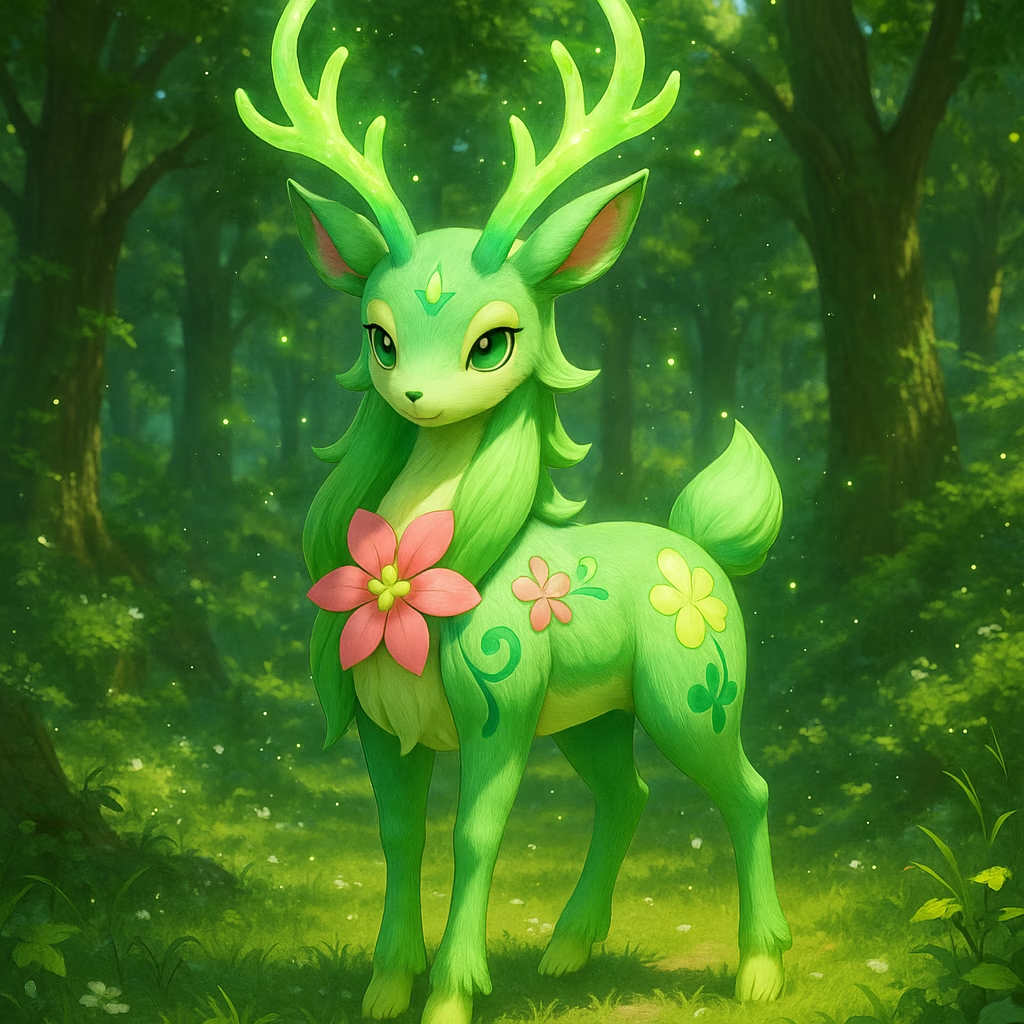
Pocketpair CEO Takuro Mizobe reportedly wanted to build the game 'without worrying about the budget.' Instead of setting a normal cap, he chose a much more chaotic upper limit: the bank account balance reaching zero. In other words, the plan was to keep developing until the money ran out. After that, the team would either borrow from other sources or release whatever it had. I have heard of 'scope creep,' but 'account balance creep' is a new one for me. As a player, I can laugh at that from a safe distance. As an adult with bills, I also want to lie down.
Here is what makes the gamble even wilder to me: Palworld was not originally meant to be a giant. Mizobe said the team wanted to start development and release within one year. He never had the desire to create a large-scale title. The original team was just four people, and the game was supposed to have only 25 monsters. The plan was to push it out and gauge public reaction. That is the game-development equivalent of tossing a homemade firecracker into the room and seeing who flinches.
Then the trailer happened. The public reaction forced Pocketpair to rethink the scope. The studio hired over 40 people during development. So the project went from four people and 25 monsters to a much bigger production, all while operating on a no-budget-budget. That is not a recipe I would recommend to every indie team. Honestly, it is the kind of story that makes me want to shake the CEO by the shoulders and also buy him a coffee.
From my player's perspective, the most interesting part is the trade-off. A fixed budget encourages discipline. A zero-balance budget encourages... well, nerve. Maybe a little madness. Pocketpair's approach seems to have worked because the team was flexible, the trailer hit a nerve, and the final game found a massive audience. The studio reportedly amassed millions of players within days of launch. In 2026, with hindsight, this looks less like reckless abandon and more like a high-wire act that somehow stuck the landing.
| Choice | Conventional studio | Pocketpair's reported approach |
|---|---|---|
| Budget cap | Set a fixed number | Keep going until the account hits zero |
| Team size | Plan around scope | Start with 4, grow past 40 |
| Monster count | Lock early | Originally 25, expanded after trailer |
| Backup plan | Contingency funds | Borrow money or ship what exists |
😅 I have to respect the honesty. Plenty of studios pretend they have a master plan. Pocketpair basically said the plan was 'we will find out.' That takes a certain kind of nerve, and I am not sure I would sleep well at night if my own budget strategy was 'hope for the best and check the balance later.'
Would I want every developer to work this way? No. That is how you turn a dream project into a cautionary tale with a Kickstarter apology post. But as a story, it is memorable. It also explains why Palworld felt like a swing for the fences. The team was not protecting a perfectly calculated budget. It was betting the bank balance on a weird idea about monsters, guns, and survival.
For me, the takeaway is simple: budgets matter, but so does conviction. Pocketpair's no-budget gamble is not a business plan I would copy. Still, in an industry full of safe bets, it is refreshing to see a studio go all in. In 2026, I will remember Palworld as much for the absurd development story as for the game itself. And if a bigger sequel ever happens, I hope someone at Pocketpair at least keeps a spare coin jar around. 😄